Select the age range of the child.
ASSESS Health and Nutrition Status
Follow local protocols or use another tool (example: Management of Small & Nutritionally At-risk Infants (MAMI)) to complete your assessment of infant’s health and nutrition.
What is the status of the infant?
ASSESS Oral Structures 0-5 completed months
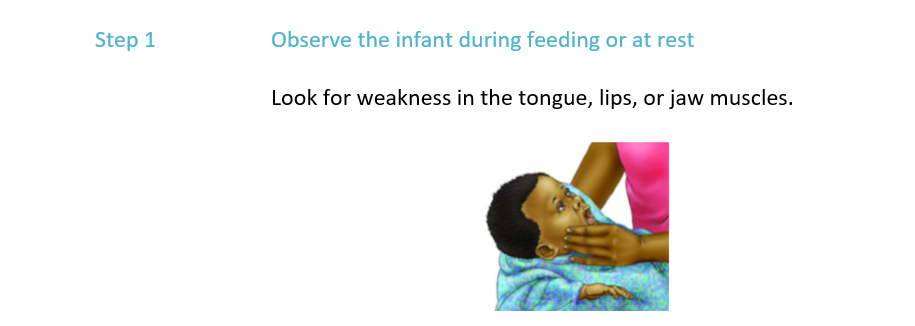
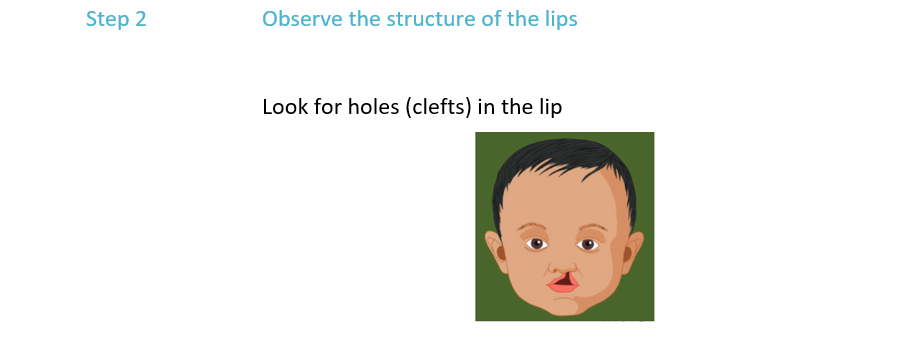
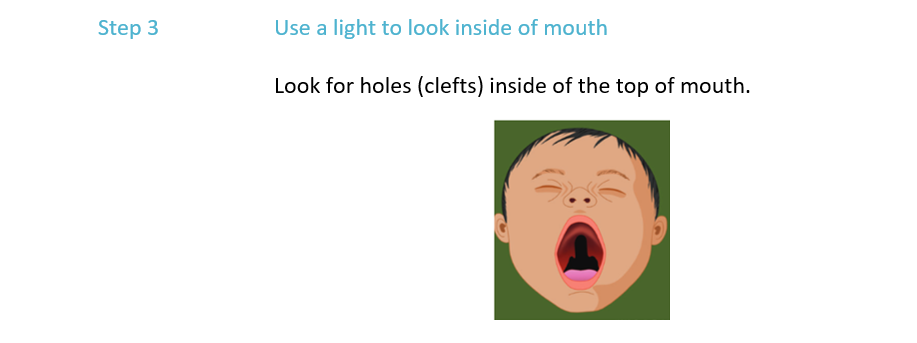
Check out the images below!
ANALYZE Functonal Feeding Concerns and ACT
What feeding concerns do you have?
Continue to monitor growth and health
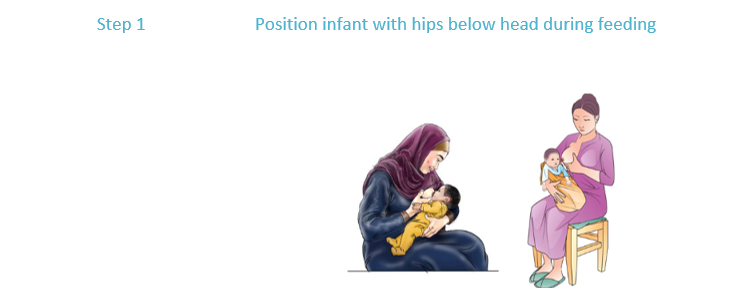
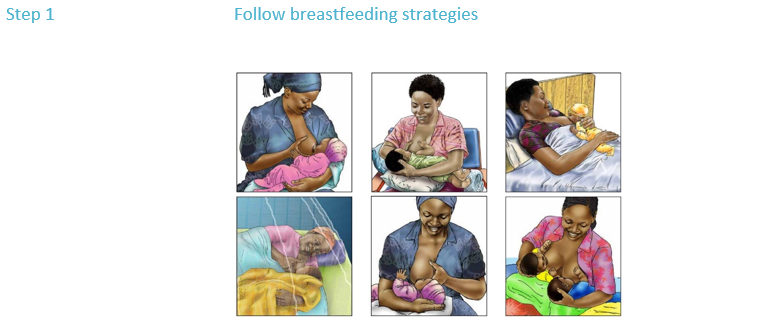
Check out the images below!
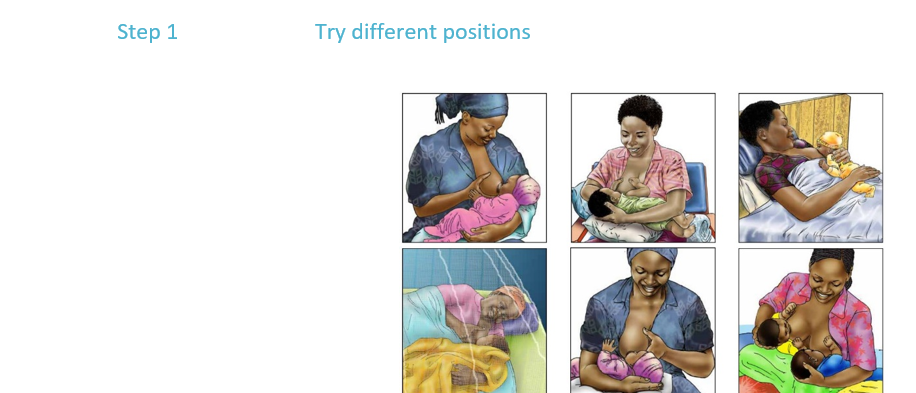
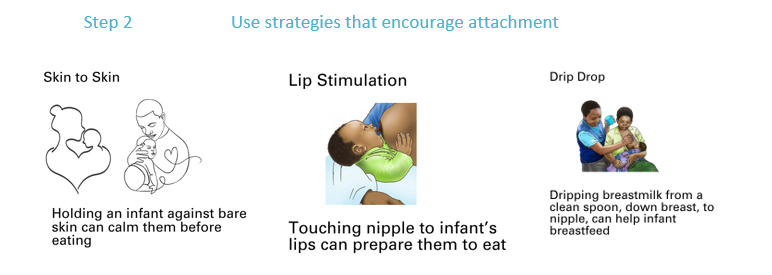
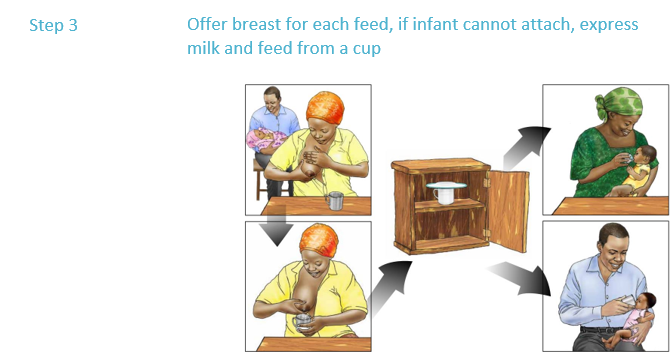
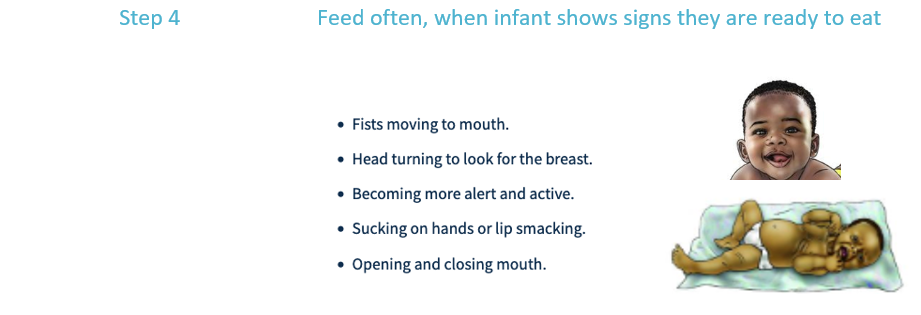
Check out the images below!
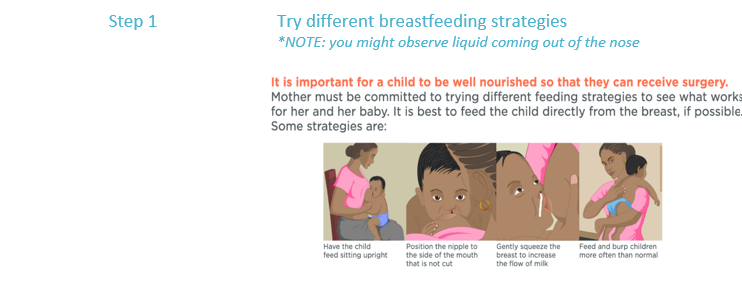
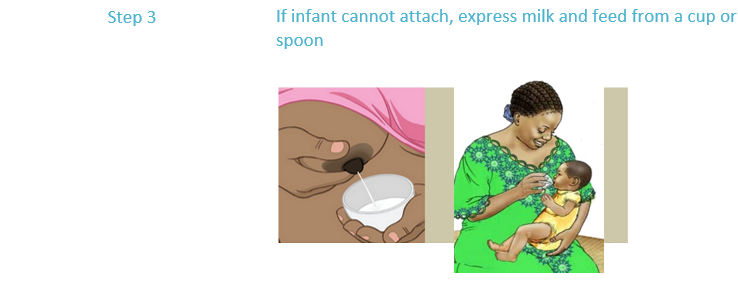
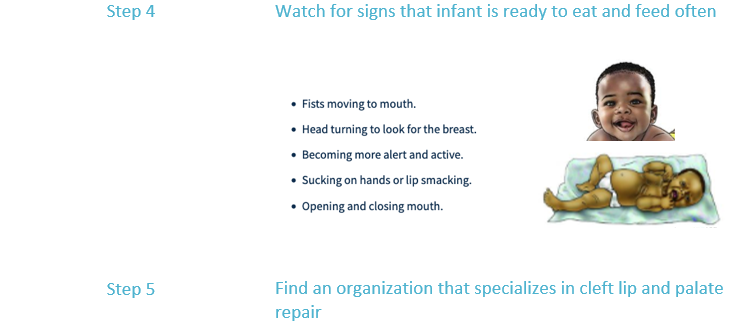
Check out the images below!
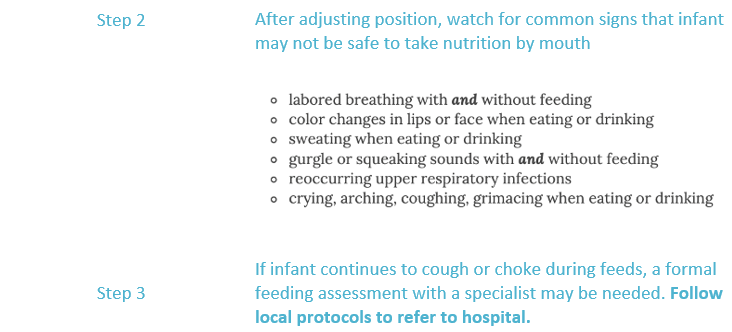
APPRAISE Response to Feeding Strategies
During growth and nutrition monitoring or counselling sessions, ask caregiver about feeding.
Did feeding improve?
Continue to follow feeding action plan and local/ICMI recommendations for ongoing health, growth, and nutrition monitoring.
Follow ICMI Guidance or national nutrition protocol to determine if supplemental feeding or referral to hospital is needed.
Follow ICMI Guidance or national nutrition protocol to provide supplemental nutrition and continue to follow guidance in ACT: Feeding Action Plan to Address “Not Gaining Weight” 0 to 5 completed months. Refer to signs of swallowing difficulties in ACT: Feeding Action Plan to Address “Coughing or Choking” 0 to 5 completed months.
Continue to follow Feeding Action Plan and APPRAISE Response to Feeding Strategies at next nutrition monitoring session.
ASSIGN Next Steps 0 to 5 Completed Months
Access to existing community programs and assistive technology is a priority for malnourished children with feeding difficulties, and those with disabilities.
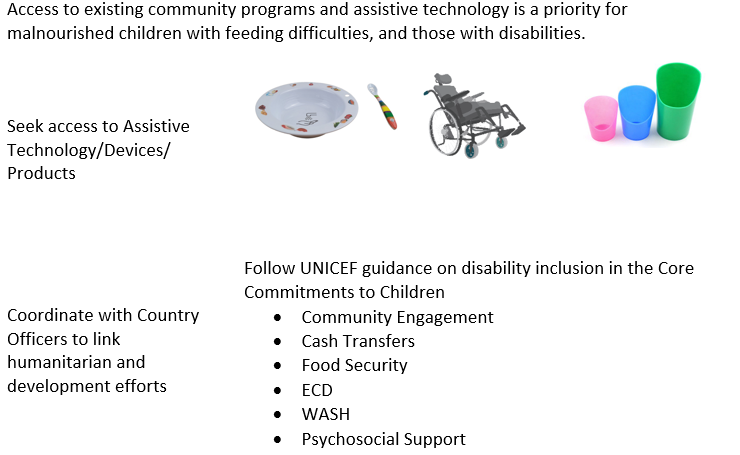
ASSESS Health and Nutrition Status
Always refer to local protocols or other existing tools such as the Integrated Management of Childhood Illness (ICMI) to complete your assessment of infant’s health and nutrition. Refer to WHO Guidance on Wasting.
What is the status of the infant?
Assess oral structures
Check out the image below!
ANALYZE Functonal Feeding Concerns and ACT 6 to 11 Completed Months
What feeding concerns do you have?
Stop here, follow local nutrition protocols.
Check out the images below!

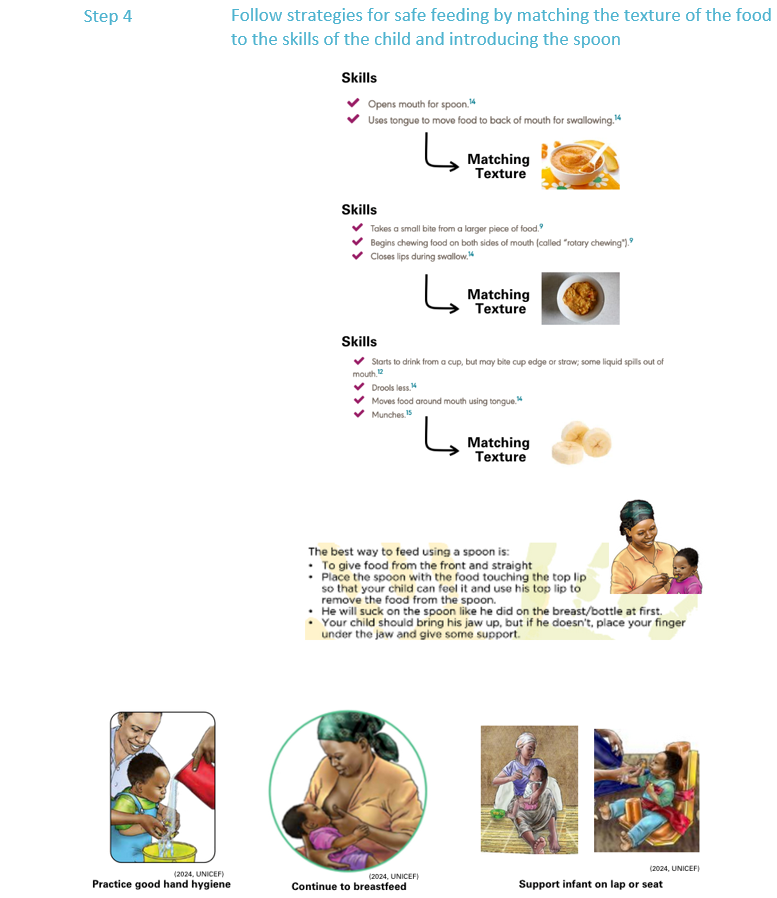
Check out the images below!
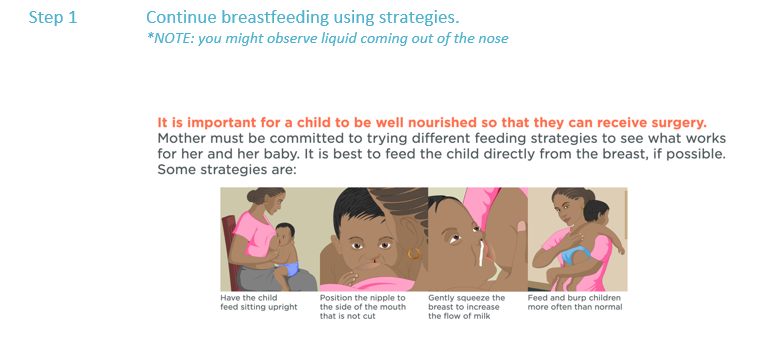
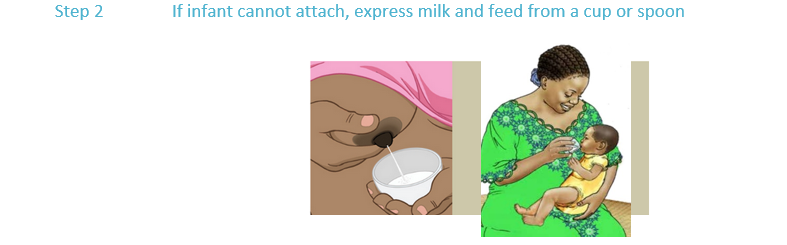
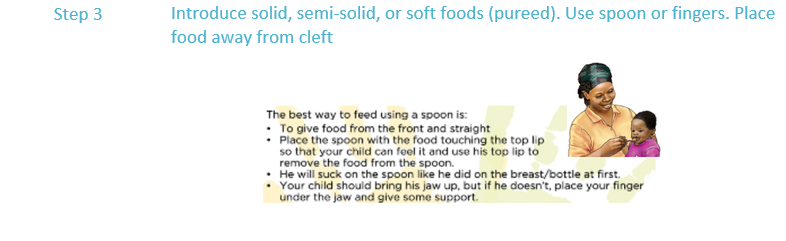
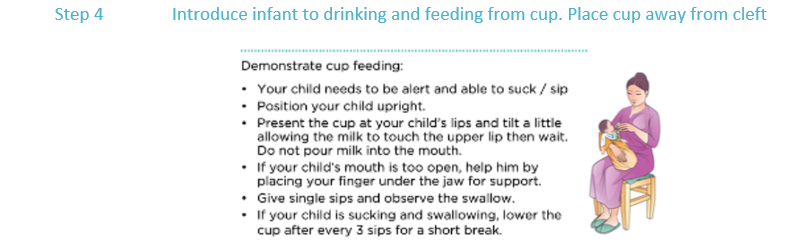
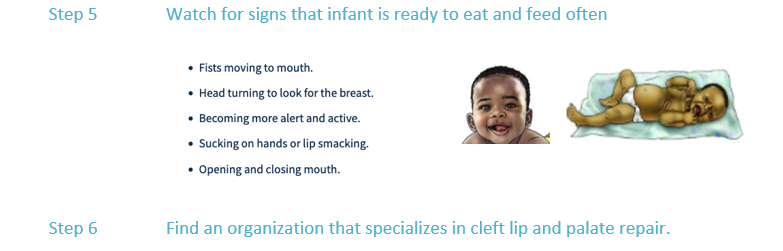
Check out the images below!
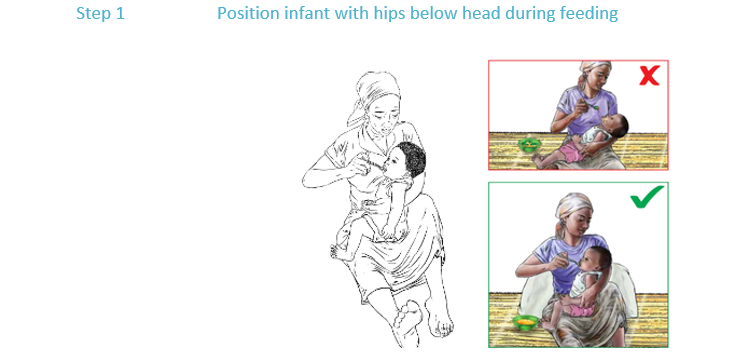
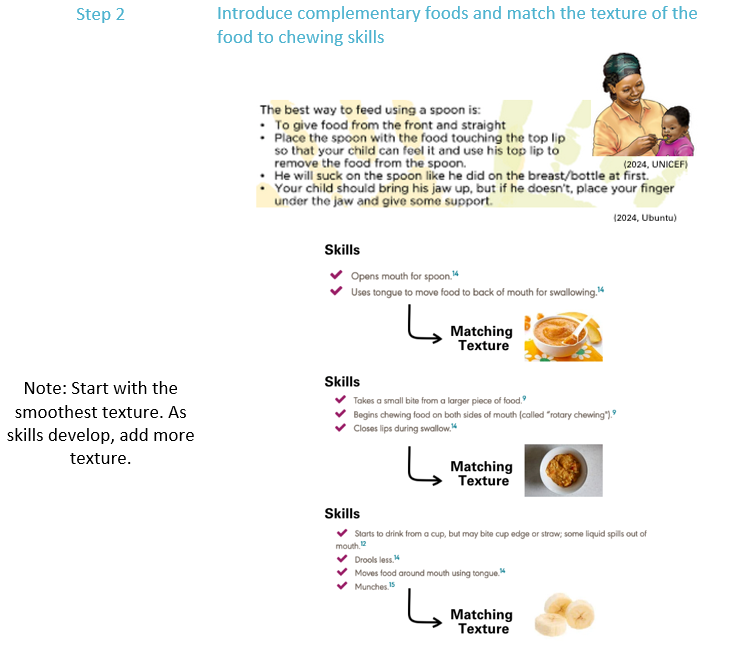
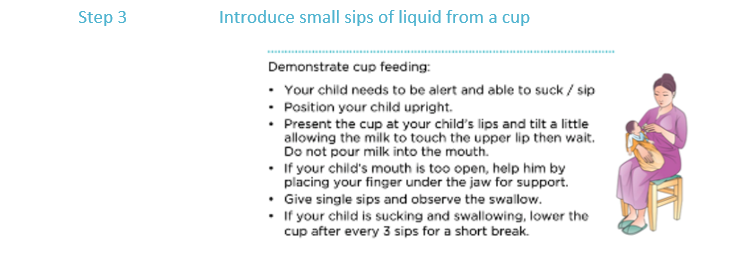
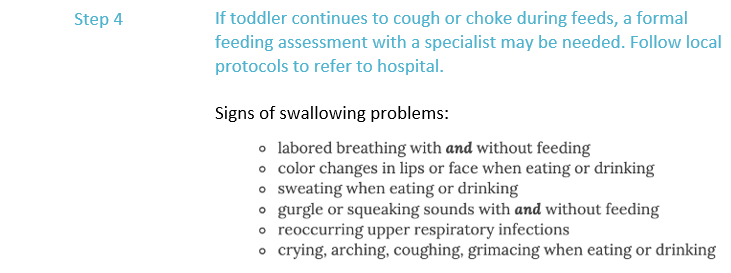
Check out the images below!
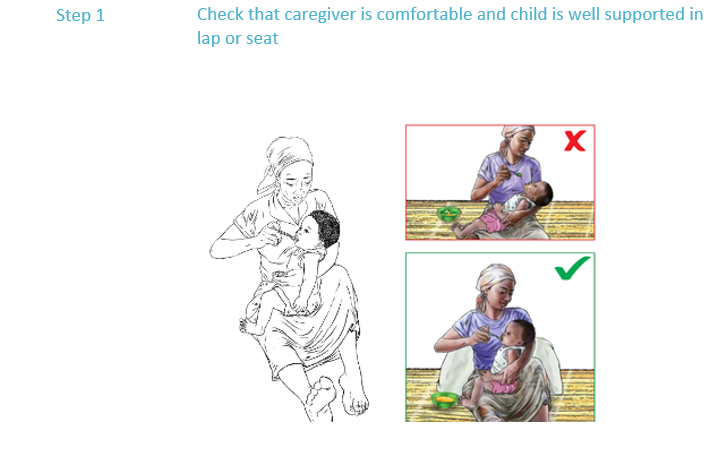
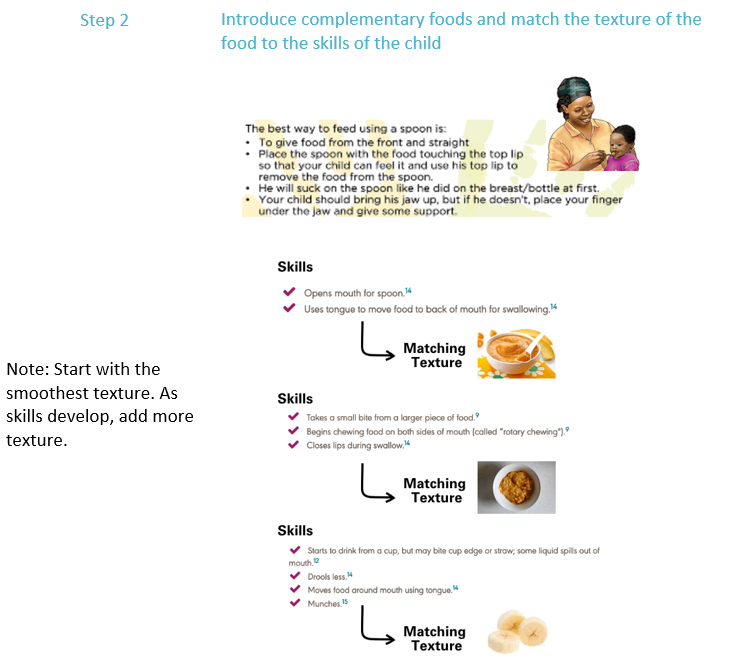
APPRAISE Response to Feeding Strategies
During growth and nutrition monitoring or counselling sessions, ask caregiver about feeding.
Did feeding improve?
Continue to follow feeding action plan and local/ICMI recommendations for ongoing health, growth, and nutrition monitoring.
Follow ICMI Guidance or national nutrition protocol to determine if supplemental feeding is needed, and refer to the nearest hospital.
Follow ICMI Guidance or national nutrition protocol to provide supplemental nutrition and continue to follow guidance in ACT: Feeding Action Plan to Address “Not Gaining Weight” 6 to 11 completed months.
Refer to signs of swallowing difficulties in ACT: Feeding Action Plan to Address “Coughing or Choking” 6 to 11 completed months.
ASSIGN Next Steps 6 to 11 Completed Months
Access to existing community programs and assistive technology is a priority for malnourished children with feeding difficulties, and those with disabilities.
Follow local protocols or use other tools such as the Integrated Management of Childhood Illness (ICMI) to complete your assessment of infant’s health and nutrition
What is the status of the toddler?
Assess oral structures
Check out the image below!
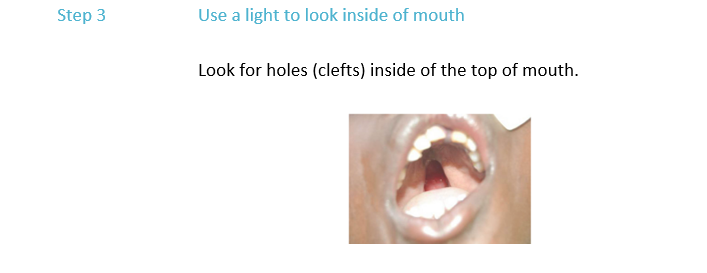
ANALYZE Functonal Feeding Concerns and ACT
What feeding concerns do you have?
Stop here, follow local nutrition protocols.
Check out the images below!
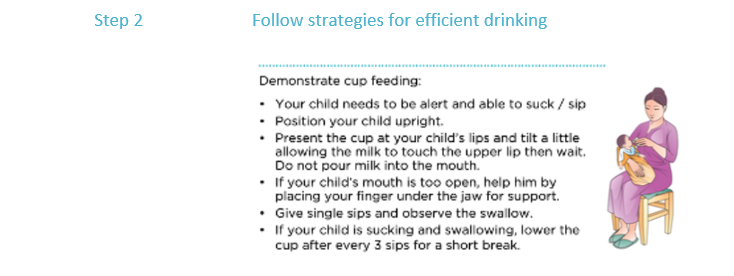
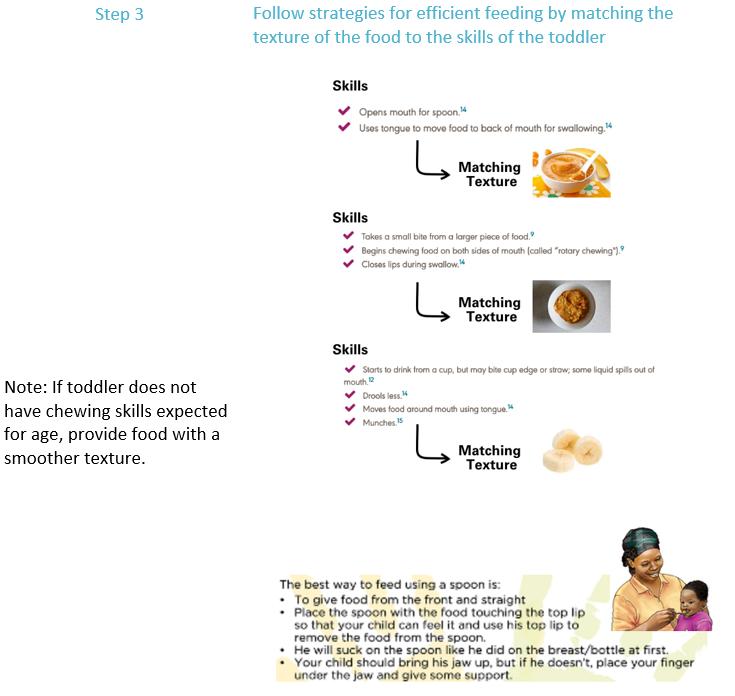
Check out the images below!
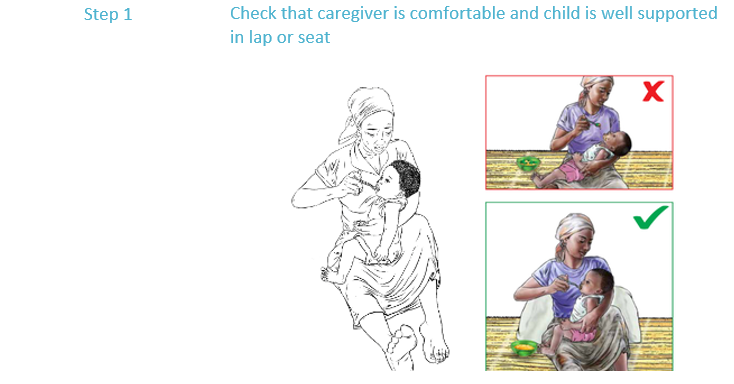
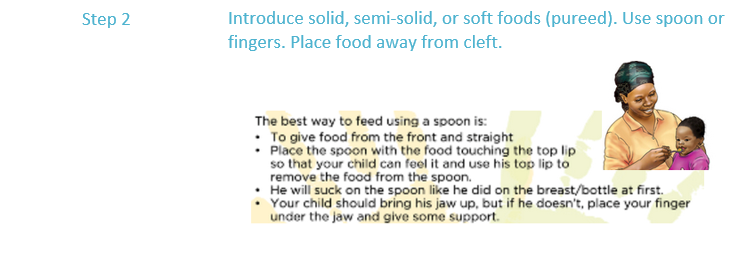
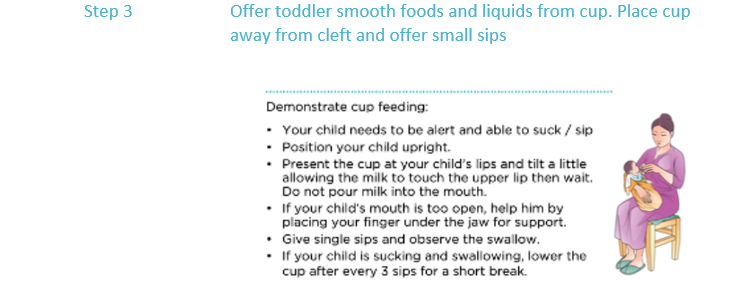
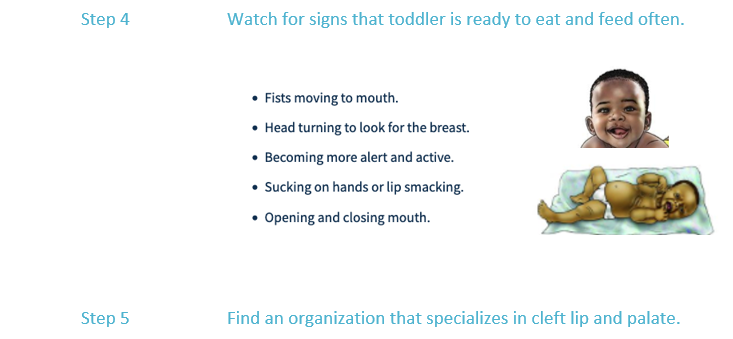
Check out the images below!
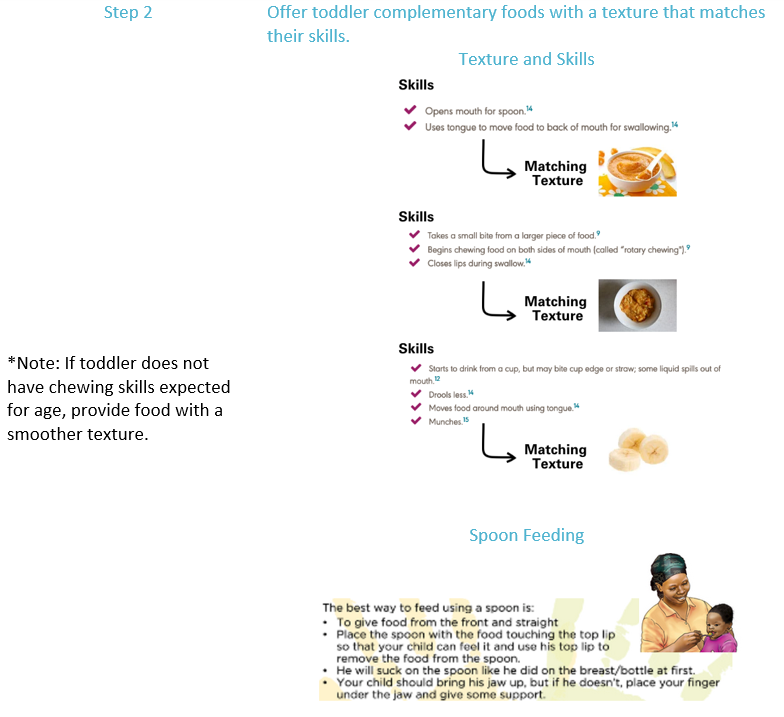
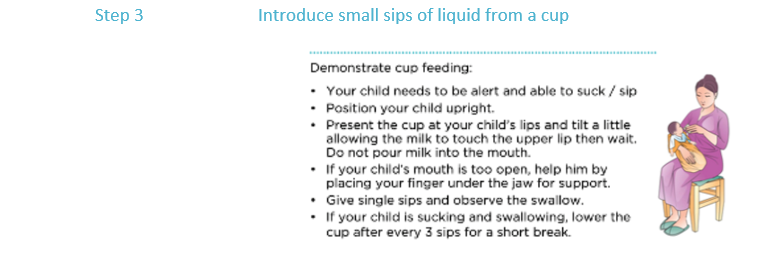
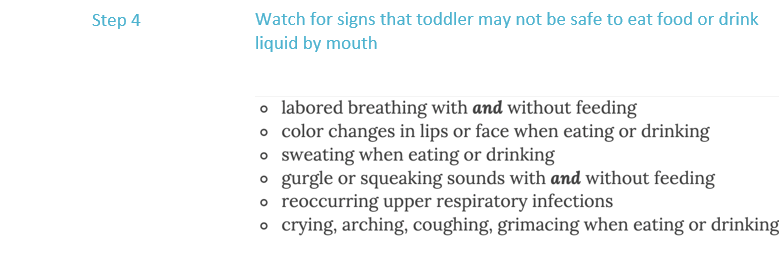
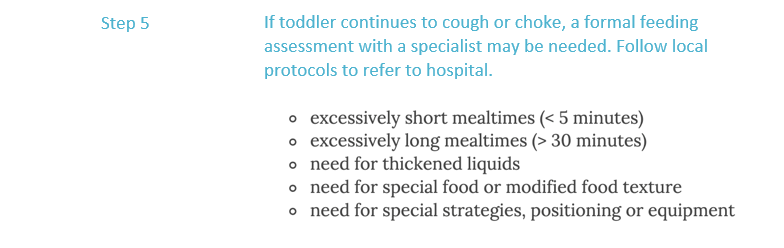
Check out the images below!
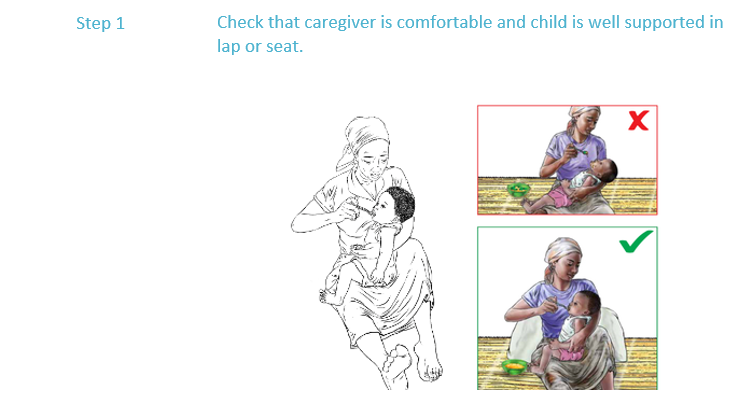
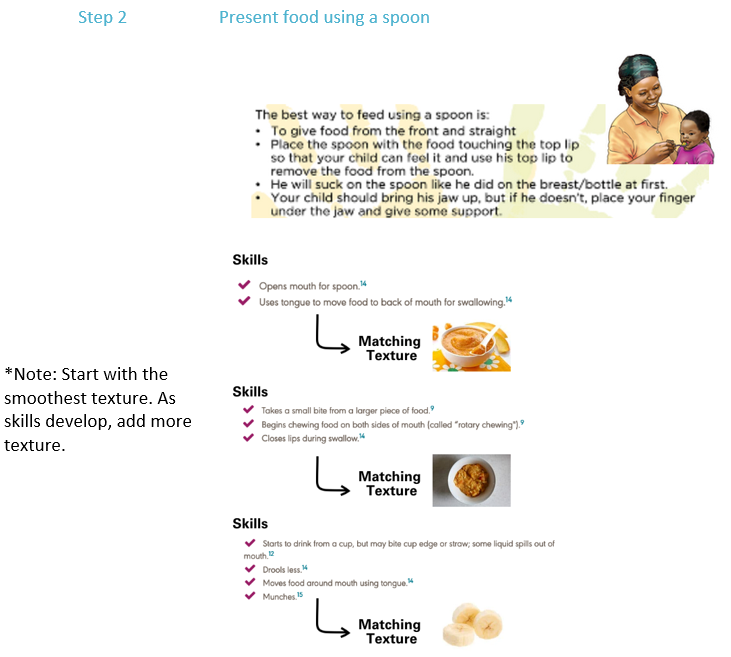
APPRAISE Response to Feeding Strategies
During growth and nutrition monitoring or counselling sessions, ask caregiver about feeding.
Did feeding improve?
Continue to follow feeding action plan and local/ICMI recommendations for ongoing health, growth, and nutrition monitoring.
Follow ICMI Guidance or national nutrition protocol to determine if supplemental feeding is needed, and refer to the nearest hospital.
Follow ICMI Guidance or national nutrition protocol to provide supplemental nutrition and continue to follow guidance in ACT: Feeding Action Plan to Address “Not Gaining Weight” 12 to 23 completed months.
Refer to signs of swallowing difficulties in ACT: Feeding Action Plan to Address “Coughing or Choking” 12 to 23 completed months.
ASSIGN Next Steps 12 to 23 Completed Months
Access to existing community programs and assistive technology is a priority for malnourished children with feeding difficulties, and those with disabilities.
ASSESS Health and Nutrition Status
Always refer to local protocols or other existing tools such as the Integrated Management of Childhood Illness (ICMI) to complete your assessment of infant’s health and nutrition. WHO Guidance on Wasting
What is the status of the young child?
Assess oral structures
Check out the image below!
ANALYZE Functonal Feeding Concerns and ACT
What feeding concerns do you have?
Stop here, follow local nutrition protocols.
Check out the images below!
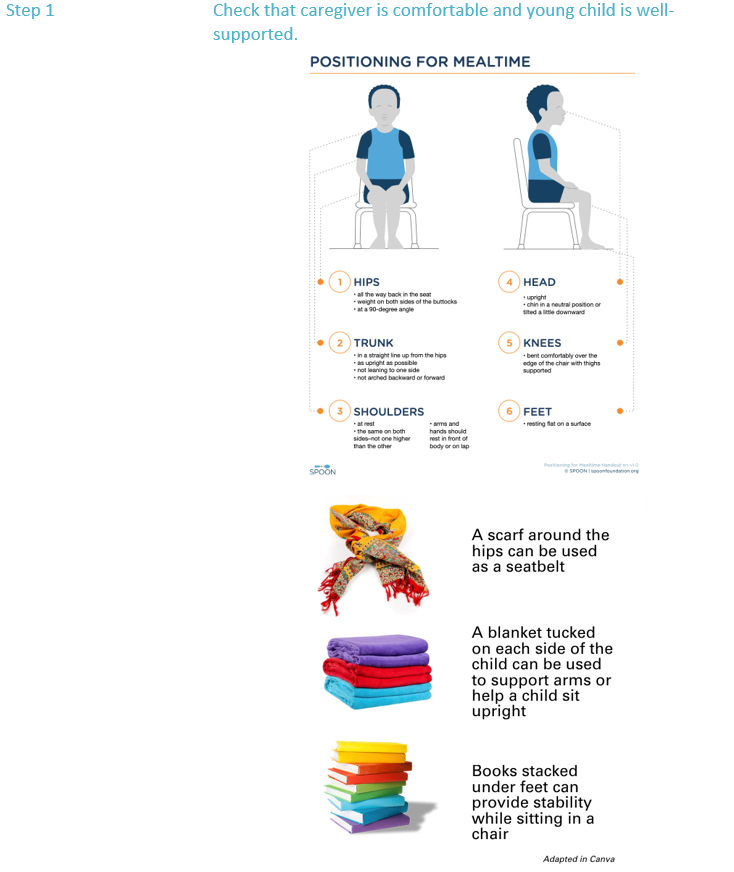
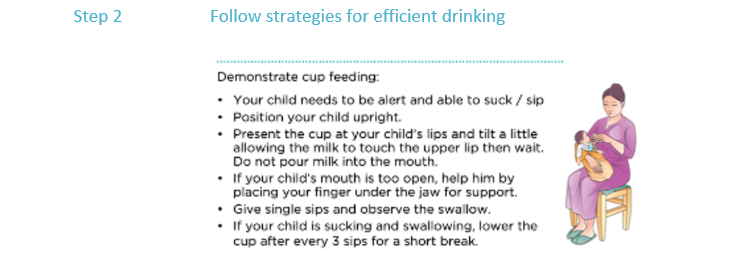
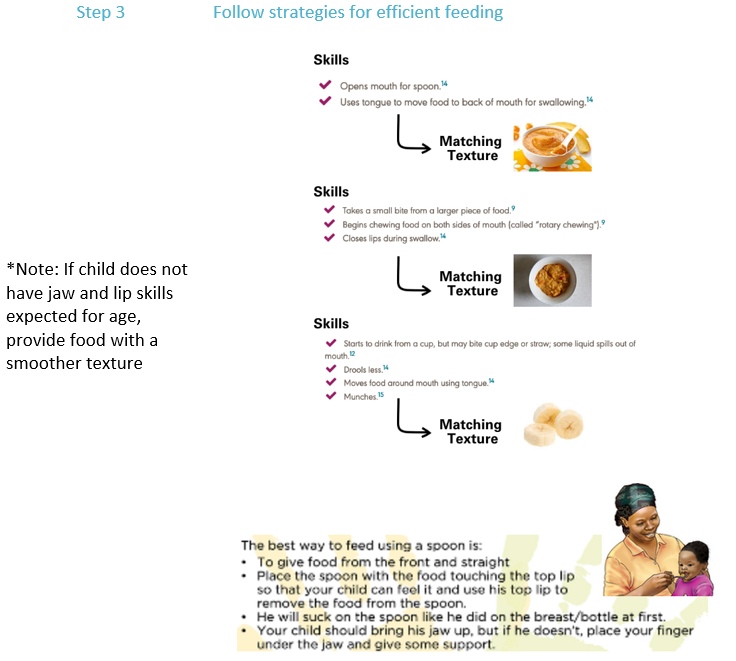
Check out the images below!
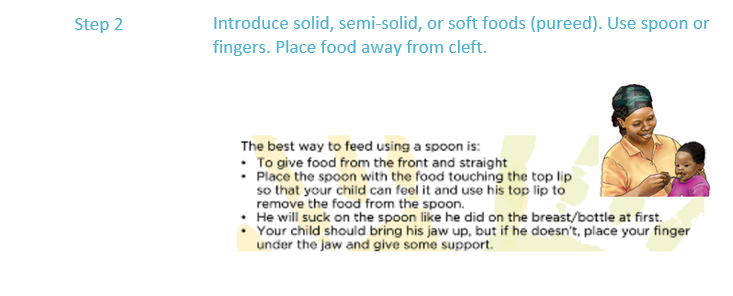
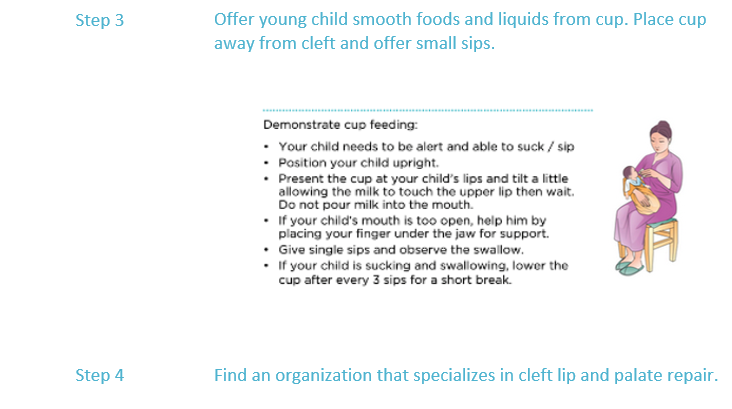
Check out the images below!
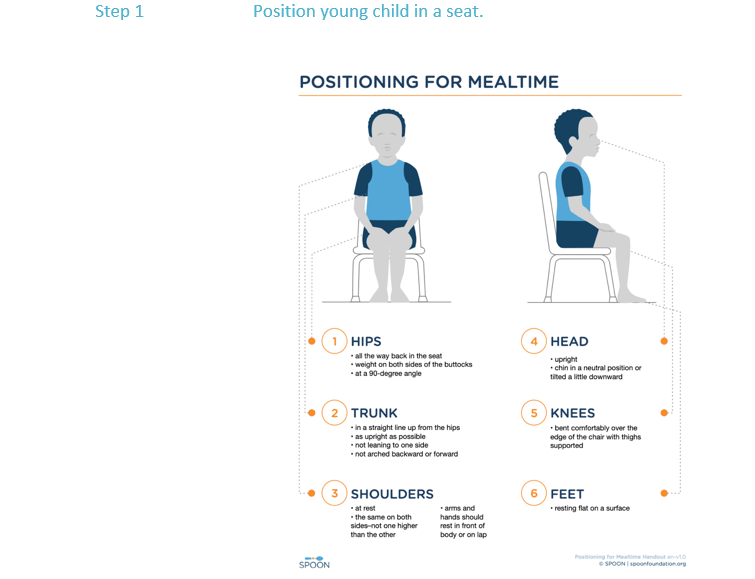
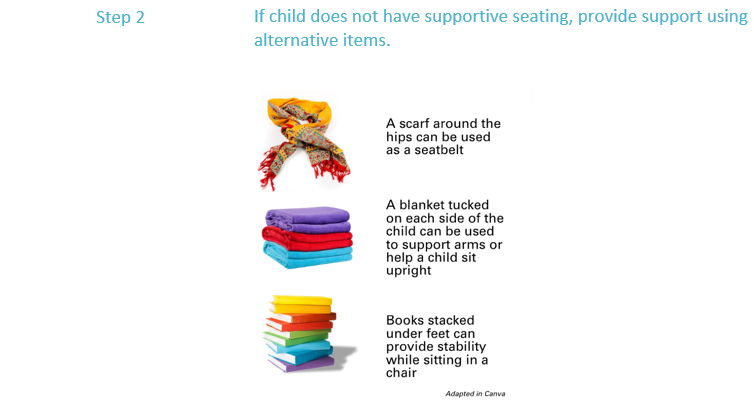
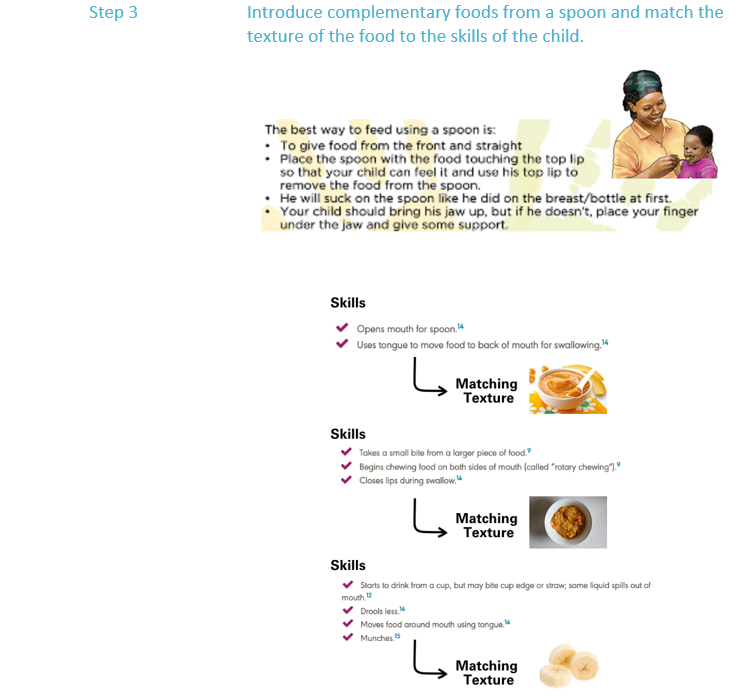
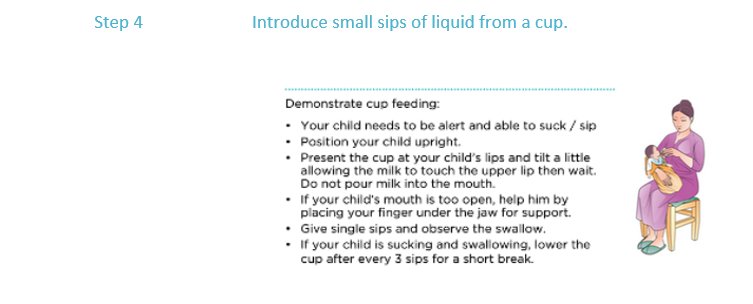
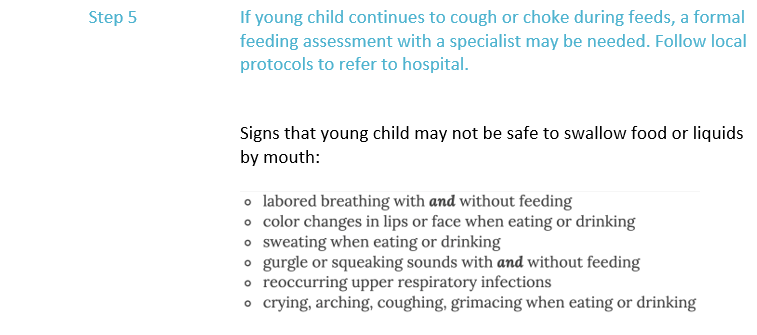
Check out the images below!
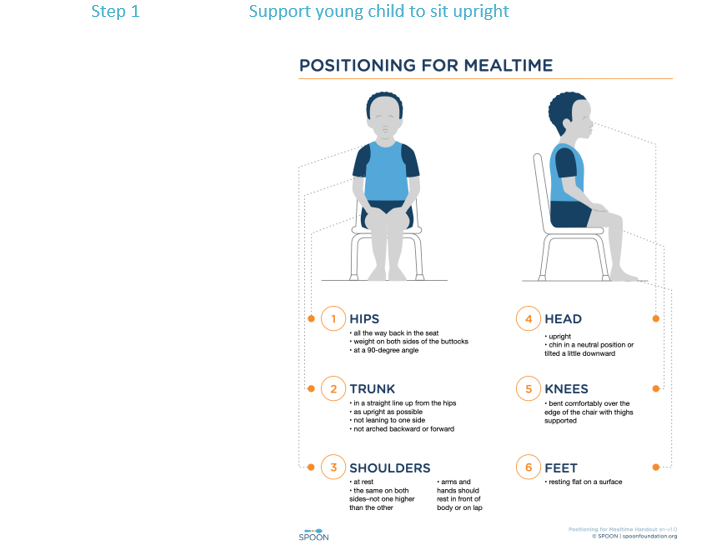
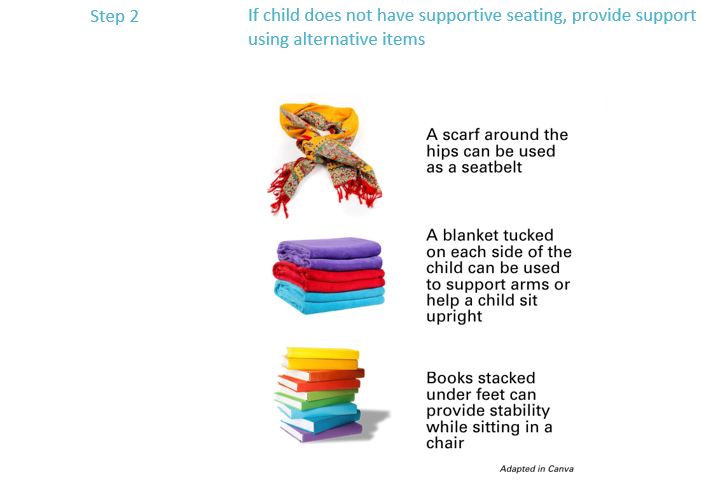
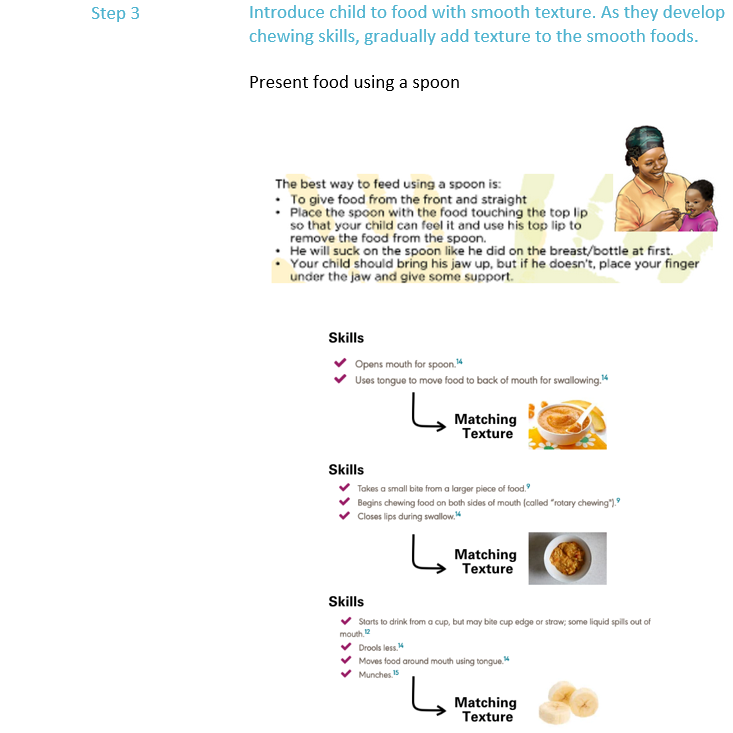
Check out the images below!
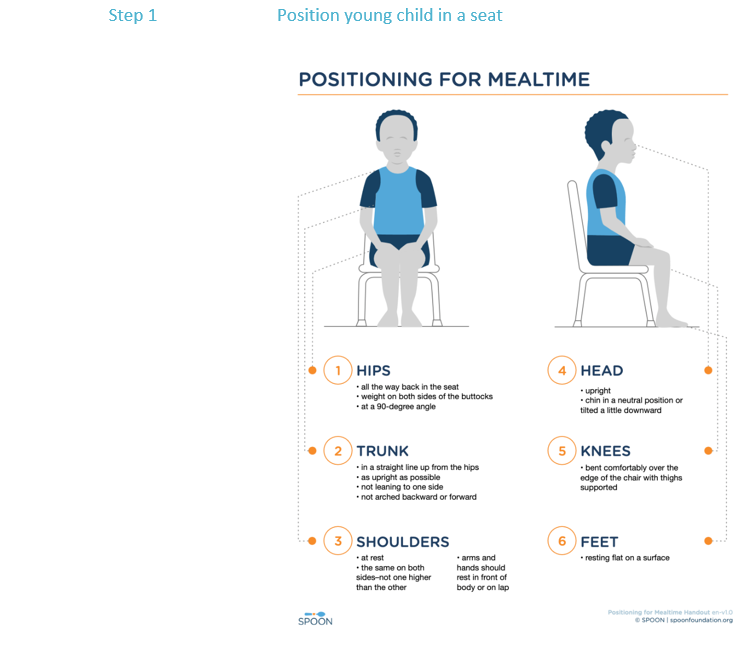
Check out the images below!
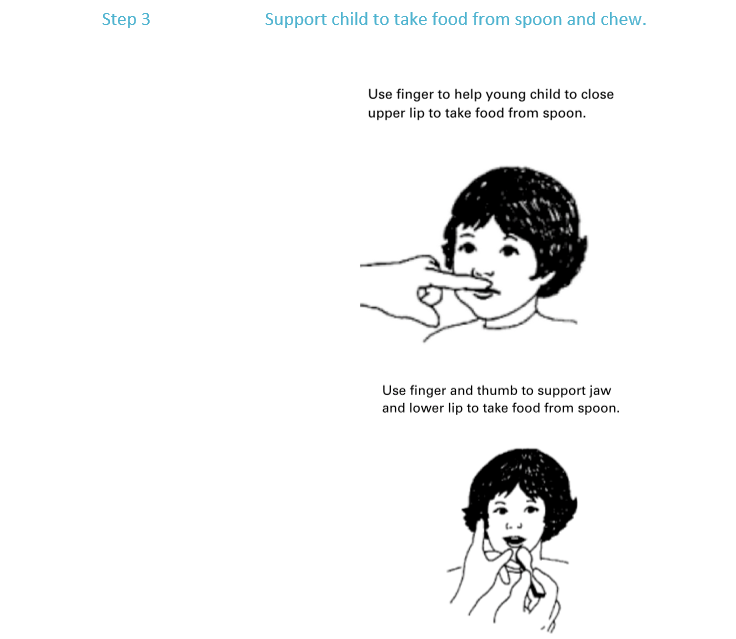
APPRAISE Response to Feeding Strategies
During growth and nutrition monitoring or counselling sessions, ask caregiver about feeding.
Did feeding improve?
Continue to follow feeding action plan and local/ICMI recommendations for ongoing health, growth, and nutrition monitoring.
Follow ICMI Guidance or national nutrition protocol to determine if supplemental feeding is needed, and refer to the nearest hospital.
Follow ICMI Guidance or national nutrition protocol to provide supplemental nutrition and continue to follow guidance in ACT: Feeding Action Plan to Address “Not Gaining Weight” 24 to 59 completed months.
Refer to signs of swallowing difficulties in ACT:Feeding Action Plan to Address “Coughing or Choking”.
ASSIGN Next Steps 24 to 59 Completed Months
Access to existing community programs and assistive technology is a priority for malnourished children with feeding difficulties, and those with disabilities.
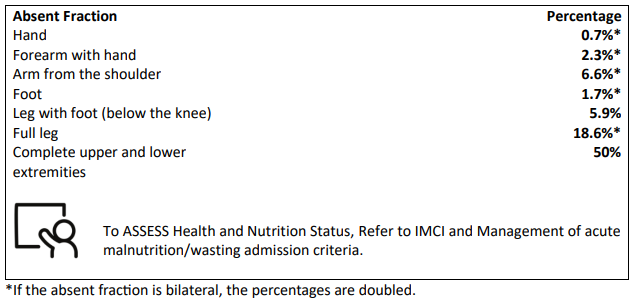
Alternative Assessment 24 to 59 completed months (and older)
Under UNICEF’s Disability Inclusion Guidance, Alternative Assessments can be used to ASSESS Nutrition Status.

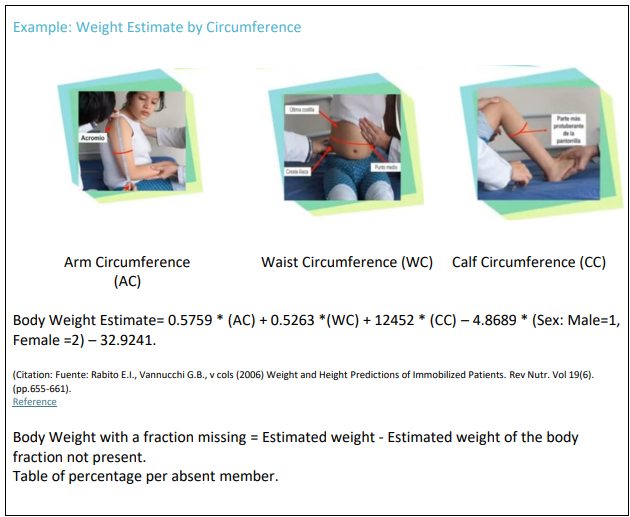
STOP
- Do not use this tool. Follow national nutrition protocols and refer to the nearest hospital.
STOP
- Do not use this tool. Follow national nutrition protocols and refer to the nearest hospital.
STOP
- Do not use this tool. Follow national nutrition protocols and refer to the nearest hospital.
STOP
- Do not use this tool. Follow national nutrition protocols and refer to the nearest hospital.
STOP
Do not use this tool. Follow local nutrition protocols.
STOP
Do not use this tool. Follow local nutrition protocols.
STOP
Do not use this tool. Follow local nutrition protocols.
STOP
Do not use this tool. Follow local nutrition protocols.
STOP
STOP here. Follow local nutrition protocols.